


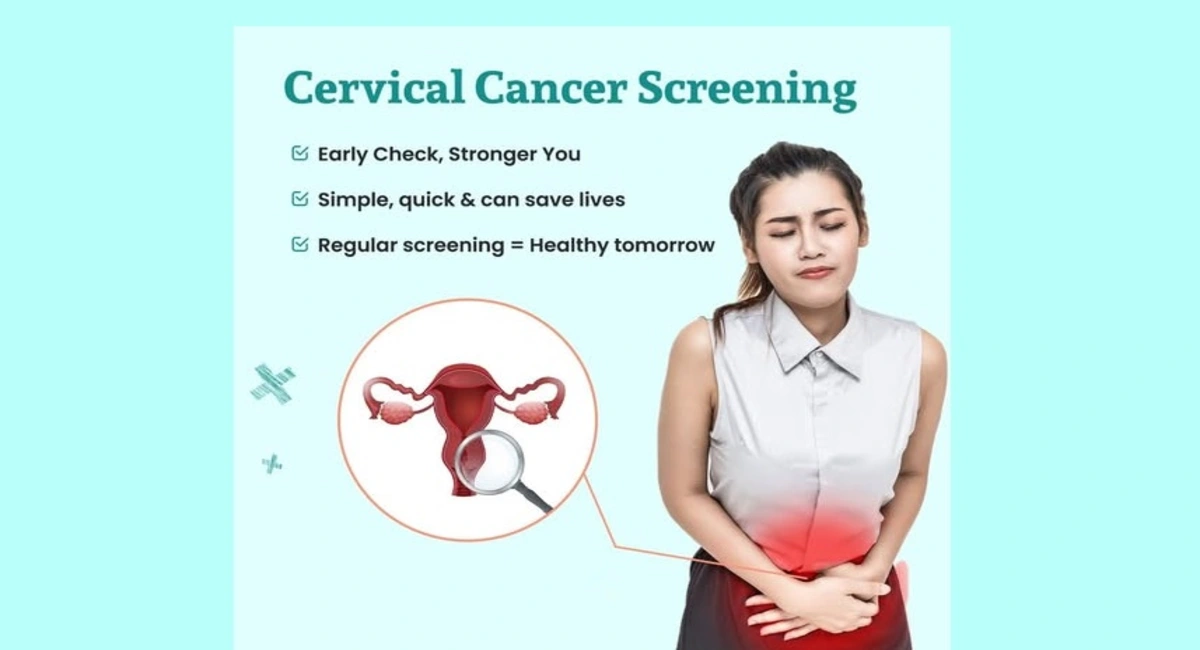
Despite being one of the most preventable diseases in modern medicine, cervical cancer remains a “silent killer” that claims thousands of lives annually due to persistent myths, missed screenings, and low vaccine uptake. In 2026, the medical community is sounding an urgent alarm: prevention isn’t just an option—it’s a life-saving necessity you can no longer afford to delay.
1. The “Age Myth” is Costing Lives
A dangerous misunderstanding continues to plague the medical community: the belief that cervical cancer is only an “older woman’s disease”.
- The Reality: Pre-cancerous changes often begin years before cancer develops, frequently during a woman’s 20s or 30s.
- The 2026 Standard: Gynaecologists now advocate for cervical screening to begin strictly at age 21. Waiting until you are “older” often means missing the window where treatment is most effective.
2. HPV Vaccination: 99% Protection You’re Ignoring
Human papillomavirus (HPV) is responsible for over 90% of all cervical cancers. While the vaccine is a game-changer, uptake remains critically low.
- Maximum Efficacy: The vaccine is nearly 99% protective when administered before sexual activity begins, ideally between ages 9 and 12.
- Catch-up is Still Possible: In 2026, clinical guidelines strongly recommend vaccination for everyone through age 26, and adults up to age 45 should discuss the benefits with their doctors.
- Crucial Note: Even if you have already been exposed to one strain of HPV, the vaccine protects against other high-risk strains you may not have encountered yet.
3. No Symptoms? You’re Still at Risk
Gynaecologists emphasize that early cervical changes rarely cause pain or discomfort. By the time symptoms like irregular bleeding or pelvic pain appear, the disease has often progressed to an advanced stage.
- Screening Options: In 2026, regular check-ups via Pap smear, HPV DNA testing, or co-testing can detect abnormal cells when treatment is simple and nearly 100% successful.
- The 2026 Innovation: FDA-approved HPV self-sampling kits are now widely available. These discreet kits allow women to collect samples at home, removing traditional barriers like discomfort, lack of time, or rural access issues.
4. Lifestyle: Your Body’s Natural Defense
While HPV is the primary trigger, your lifestyle directly impacts whether an infection clears or progresses into cancer.
- Smoking: Tobacco use doubles your risk by damaging cervical cell DNA and weakening the immune system’s ability to fight HPV.
- Immunity: Chronic stress, poor nutrition, and lack of sleep hinder your body’s ability to clear HPV naturally.
- Reproductive Factors: Long-term use of oral contraceptives and multiple pregnancies can slightly elevate risk, making regular screening even more vital for these groups.
Take Action Now: Your 2026 Prevention Checklist
Cervical health is not a one-time event; it is a fundamental part of your overall well-being.
- Schedule your screening if you are over 21 and haven’t had one in three years.
- Ask about the HPV vaccine, even if you are in your 30s or 40s.
- Inquire about self-sampling kits if a clinical exam is a barrier for you.
The goal for 2026 is no longer just reduction—it is the total elimination of cervical cancer. That future starts with your decision today.